Important Alert: Scammers Impersonating Banks. Read More.
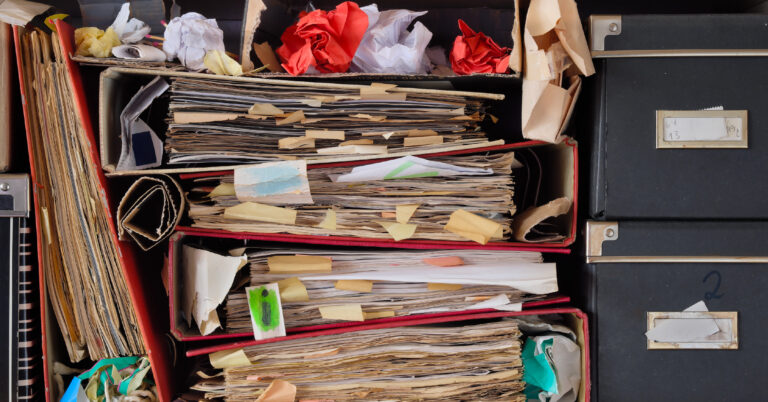
Look around your home. Do you see any stacks of papers lying around on the counter, kitchen table, or the āIāll deal with that laterā spot? While these piles might seem like harmless clutter, they could actually be a security risk.
Keeping a house or apartment clean and tidy can be a tough task, and itās easy to overlook how quickly sensitive documents can pile up. Instead of thinking, āIāll deal with that later,ā try to make your automatic response, āShould I file, toss, or shred this document?ā
When thinking about identity theft, usernames and passwords might be the first thing to pop into your mind, but paper documents are just as important to protect.
Documents such as:
often contain personally identifiable or sensitive information such as your bank account numbers, credit card information, address, and more. If you donāt need these documents anymore, they should be shredded, not tossed in the trash.
Shredding not only helps keep your information safe but also helps keep your file storage neat. A forgotten stack of papers lying around is more than just clutter; it is an unsecure data risk that could accidentally end up in the wrong hands.
Looking at a stack of papers can be overwhelming. Start small by separating them into three piles: file, shred, and toss.
Building a habit of filing, shredding, and tossing can make a big difference. Youāll be protecting yourself and your household from the risk of identity theft.
Share This Article
West Bank is not responsible for the content or policy on this hyperlinked website. West Bank does not represent you or the hyperlinked website, should you enter into a transaction. This link is provided for your convenience. Would you like to continue?